
The prompt
---Role---
You are an expert keyword extractor, specializing in analyzing user queries for a Retrieval-Augmented Generation (RAG) system. Your purpose is to identify both high-level and low-level keywords in the user's query that will be used for effective document retrieval.

---Goal---
Given a user query, your task is to extract two distinct types of keywords:
1. **high_level_keywords**: for overarching concepts or themes, capturing user's core intent, the subject area, or the type of question being asked.
2. **low_level_keywords**: for specific entities or details, identifying the specific entities, proper nouns, technical jargon, product names, or concrete items.

---Instructions & Constraints---
1. **Output Format**: Your output MUST be a valid JSON object and nothing else. Do not include any explanatory text, markdown code fences (like ```json), comments, or any other text before or after the JSON.
2. **Exact JSON Shape**: The JSON object must contain exactly these two keys:
   - `"high_level_keywords"`: an array of strings
   - `"low_level_keywords"`: an array of strings
3. **JSON Boundary**: The first character of your response must be `{` and the last character must be `}`.
4. **Source of Truth**: All keywords must be explicitly derived only from the `User Query` in the `---Real Data---` section. Do not infer unsupported facts. Do not invent entities, products, organizations, dates, or technical terms that are not grounded in the query.
5. **Concise & Meaningful**: Keywords should be concise words or meaningful phrases. Prioritize multi-word phrases when they represent a single concept instead of splitting meaningful phrases into isolated words.
6. **Handle Edge Cases**: For queries that are too simple, vague, or nonsensical (e.g., "hello", "ok", "asdfghjkl"), return:
   `{"high_level_keywords": [], "low_level_keywords": []}`
7. **No Duplicates**: Do not repeat the same keyword within a list. Keep the lists short and high-signal.
8. **Language**: All extracted keywords MUST be in {language}. Proper nouns (e.g., personal names, place names, organization names) should be kept in their original language.
9. **Output Format Template Safety**: The `---Output Format Template---` section contains an output JSON template only. It is never source text. Do not extract, infer, or copy keywords from the template. Angle-bracket tokens such as `<high_level_keyword>` are placeholders; replace them only with keywords derived from the current `User Query` and never output the placeholders literally.

---Output Format Template---
The following content is an output JSON format template only. It is not source text and must never be used as keyword extraction content.

{examples}

---Real Data---
User Query: {query}

---Output---
Output:
What it is
LightRAG's query prompt: return only a JSON object with high_level_keywords (themes and intent) and low_level_keywords (entities, names, jargon) taken strictly from the user query, with empty lists for queries like "hello" and no duplicates. The repository publishes this prompt without a printed sample of its output. The prompt text comes from the LightRAG repository (MIT License, Copyright (c) 2025 LightRAG Team). Licence: https://github.com/HKUDS/LightRAG/blob/main/LICENSE. Original author: LightRAG Team (HKUDS/LightRAG). Changes by FoxaMind: Python string quotes removed and .format doubled braces turned back into single braces; {...} placeholders keep the source syntax.
Who it's for
- Developers building RAG retrieval steps
- Anyone routing queries to graph or chunk search
برومبت الاستعلام في LightRAG: يعيد كائن JSON فقط فيه high_level_keywords (المواضيع والقصد) وlow_level_keywords (الكيانات والأسماء والمصطلحات) مأخوذة من سؤال المستخدم حصراً، مع قوائم فارغة لأسئلة مثل "hello" ودون تكرار.
Tips
- {examples} is filled from keywords_extraction_examples in the same file, a JSON template with placeholder values, not a real example.
- The prompt asks for no code fences: the first character must be { and the last }.
Related
 Prompt
PageIndex: Build a Document Tree Structure from Page-Tagged Text
You are an expert in extracting hierarchical tree structure, your task is to generate the tree structure of the document. The structure variable is the numeric system which represents the index of the
Prompt PageIndex: One-Sentence Description That Tells Documents Apart
Your are an expert in generating descriptions for a document. You are given a structure of a document. Your task is to generate a one-sentence description for the document, which makes it easy to dist
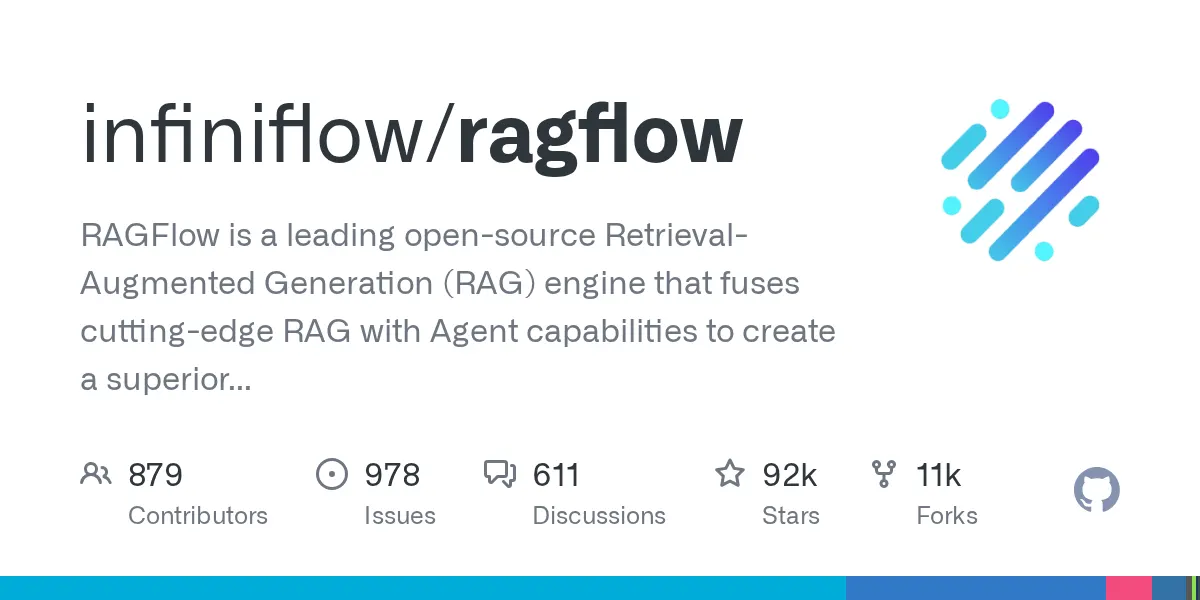
infiniflow/ragflow
RAGFlow is a leading open-source Retrieval-Augmented Generation (RAG) engine that fuses cutting-edge RAG with Agent capabilities to create a superior context layer for LLMs
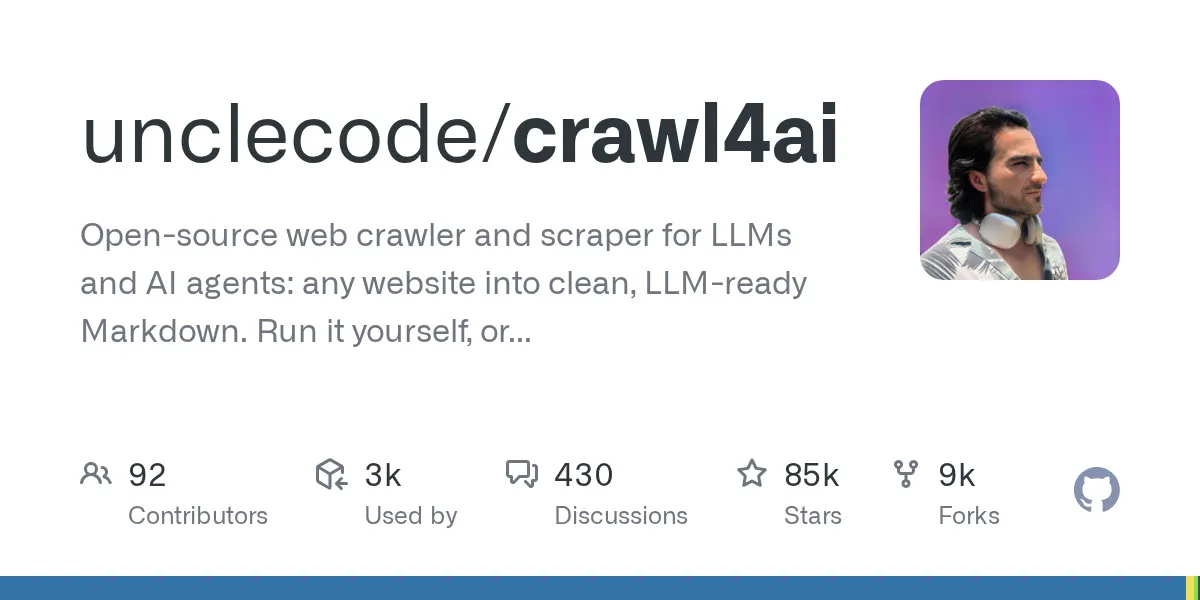
unclecode/crawl4ai
Open-source web crawler and scraper for LLMs and AI agents: any website into clean, LLM-ready Markdown. Run it yourself, or use Crawl4AI Cloud with one key.
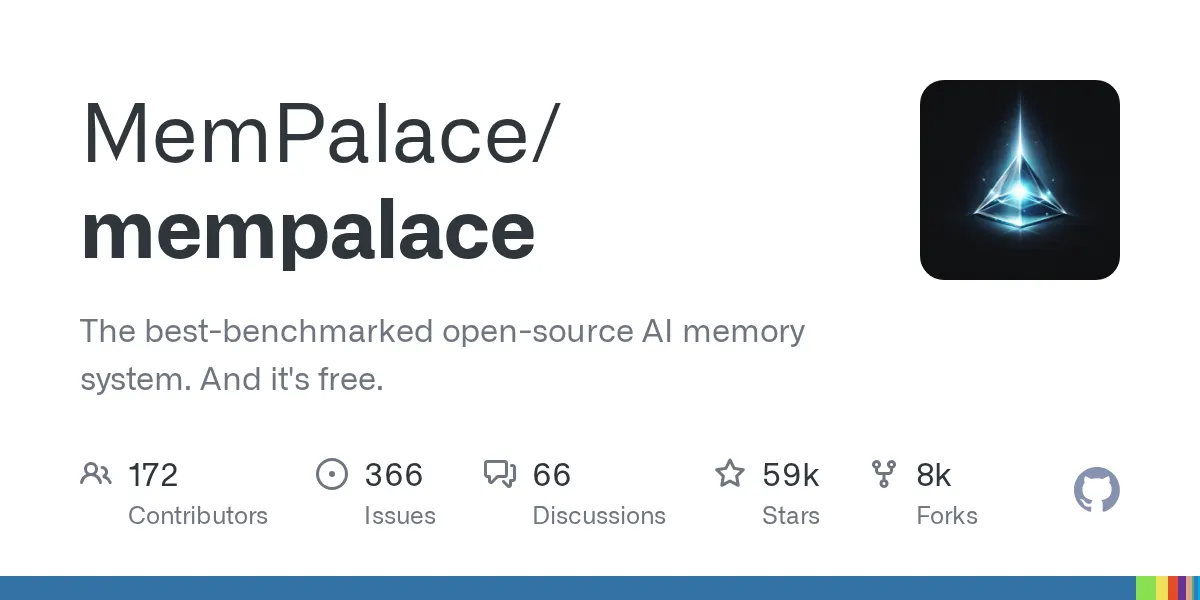
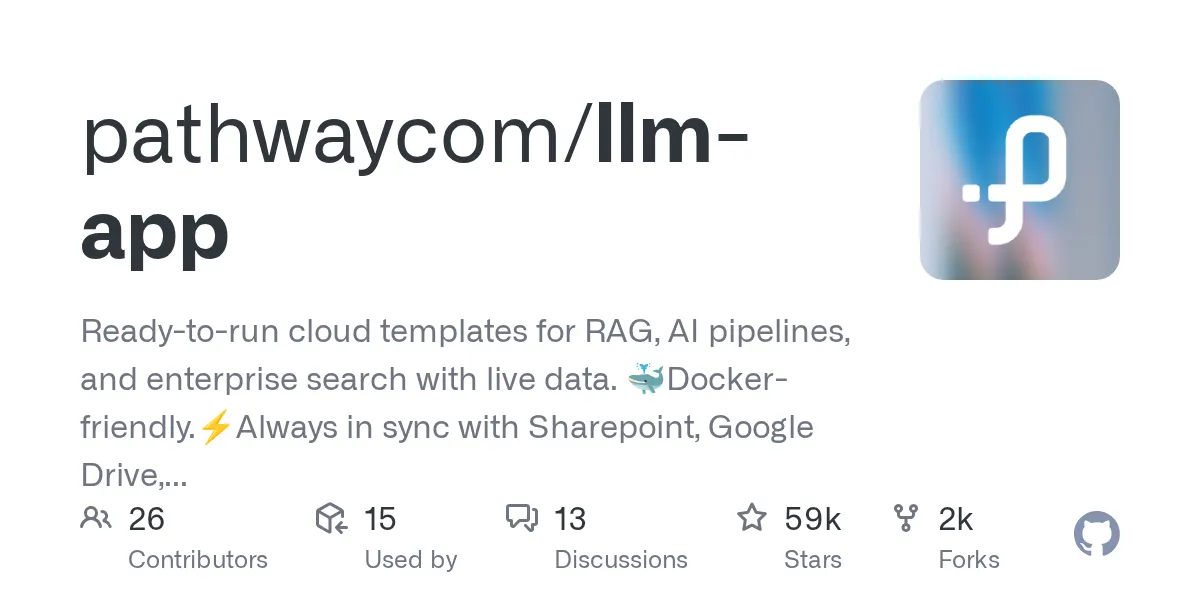
pathwaycom/serviette
Ready-to-run cloud templates for RAG, AI pipelines, and enterprise search with live data. 🐳Docker-friendly.⚡Always in sync with Sharepoint, Google Drive, S3, Kafka, PostgreSQL, real-time data APIs, and more.